



Suffering from this type of pain? You may have the foot condition known as Morton's neuroma. Morton's neuroma may develop as a result of ill-fitting footwear and existing foot deformities. We can help.
Suffering from this type of pain? You may have the foot condition known as Morton's neuroma. Morton's neuroma may develop as a result of ill-fitting footwear and existing foot deformities. We can help.

Big toe fusion is a surgical procedure used to treat severe arthritis in the main joint of the big toe. This joint plays an important role in walking because it helps the foot push off the ground with each step. Arthritis can damage the joint surfaces, causing pain, stiffness, and reduced movement. When symptoms become severe and other treatment options have not provided enough relief, surgery may be considered. During big toe fusion, the damaged joint surfaces are removed, and the bones are positioned together so they can heal as one solid structure. This stops painful movement within the arthritic joint.
The procedure is designed to reduce pain and provide a more stable big toe. Metal screws or a plate may be used to hold the bones in the correct position while they join together. Because the joint is permanently fused, it will no longer bend normally after surgery. However, the end joint of the big toe can still move. Most people are able to return to normal walking once healing is complete. The procedure may also help improve the position of a severely deformed big toe. As with any surgery, possible complications can occur, including infection, nerve irritation, or problems with the bones joining together.
A podiatrist can evaluate ongoing big toe joint pain and determine whether arthritis or another foot problem is affecting movement. The evaluation can help determine whether surgical treatment, including big toe fusion, may be appropriate. A podiatrist can explain how the procedure affects joint movement and discuss what to expect during recovery. The decision to have foot surgery depends on the severity of the arthritis and its effect on everyday activities. If severe big toe pain or stiffness is making walking increasingly difficult, it is suggested that you consult a podiatrist for an evaluation and appropriate treatment options.
In certain cases, in which the patient suffers from extreme pain or damage in a joint, joint replacement surgery may be deemed useful. If you have constant pain in a foot joint, consult with Abeer M. Foteh, DPM from Greater Houston Foot Centers. Our doctor will assess your condition and provide you with quality foot and ankle treatment.
What Is Joint Replacement Surgery?
Over time, joints wear down; this can be exacerbated by diseases and conditions. Joint replacement surgery, also known as arthroplasty, is when a damaged joint is surgically removed and replaced with a prosthesis. Prostheses, which can be made of ceramic, plastic, or metal, act as joints in lieu of an actual joint. One of the most prevalent causes for joint replacement is arthritis.
Arthritis in the Foot
Arthritis can occur in any joint in the body, including in the feet. Common types of arthritis in the foot are osteoarthritis, rheumatoid arthritis, and gout. The big toe is usually where arthritis occurs in the foot; this is known as hallux rigidus.
Joint Replacement Surgery in the Foot
The most common form of joint replacement in the foot is a first metatarsophalangeal (MTP) joint placement. MTP joint replacement surgery is designed to treat hallux rigidus. Surgery is not intensive, and recovery occurs within one to two months after the procedure has been done. Overall, joint replacement surgery is a safe and effective way to treat pain in the joint of the foot.
If you have any questions, please feel free to contact our office located in Baytown, TX . We offer the newest diagnostic and treatment technologies for all your foot care needs.

Stress fractures are small cracks in bones that develop from repeated force rather than one sudden injury. They frequently affect weight-bearing bones in the feet and lower legs. Runners and athletes can develop these injuries, but anyone who places repeated stress on the feet can be affected. A sudden increase in exercise can raise the risk of a stress fracture. Changes in training surfaces can also place added strain on bones. Pain usually develops gradually and becomes more noticeable with weight-bearing activity. Swelling and tenderness can occur around the injured area.
Stress fractures can affect several bones in the foot. The metatarsals, which are the long bones behind the toes, are frequent sites of these injuries. Stress fractures can also occur in the heel and other foot bones. Weak bones can make a person more likely to develop a fracture from repeated stress. Pain can become more severe when the injury is not properly treated. Continuing activities that place pressure on the injured bone can interfere with healing. Because other foot problems can cause similar symptoms, an accurate diagnosis is important before treatment begins.
A podiatrist can evaluate a suspected stress fracture by examining the painful area and reviewing recent changes in physical activity. Imaging tests can help identify the injury, although some stress fractures are difficult to see on early X-rays. Treatment focuses on reducing pressure on the injured bone so it can heal properly. A podiatrist can use protective devices to limit stress on the foot and recommend appropriate changes in activity. Prompt care can reduce the risk of the crack becoming larger or healing incorrectly. If you have symptoms of a stress fracture, it is suggested that you schedule an appointment with a podiatrist for a diagnosis and appropriate treatment.
Activities where too much pressure is put on the feet can cause stress fractures. To learn more, contact Abeer M. Foteh, DPM from Greater Houston Foot Centers. Our doctor can provide the care you need to keep your pain free and on your feet.
Dealing with Stress Fractures of the Foot and Ankle
Stress fractures occur in the foot and ankle when muscles in these areas weaken from too much or too little use. The feet and ankles then lose support when walking or running from the impact of the ground. Since there is no protection, the bones receive the full impact of each step. Stress on the feet can cause cracks to form in the bones, thus creating stress fractures.
What Are Stress Fractures?
Stress fractures occur frequently in individuals whose daily activities cause great impact on the feet and ankles. Stress factors are most common among:
Symptoms
Pain from the fractures occur in the area of the fractures and can be constant or intermittent. It will often cause sharp or dull pain with swelling and tenderness. Engaging in any kind of activity which involves high impact will aggravate pain.
If you have any questions please contact our office located in Baytown, TX . We offer the newest diagnostic and treatment technologies for all your foot and ankle needs.
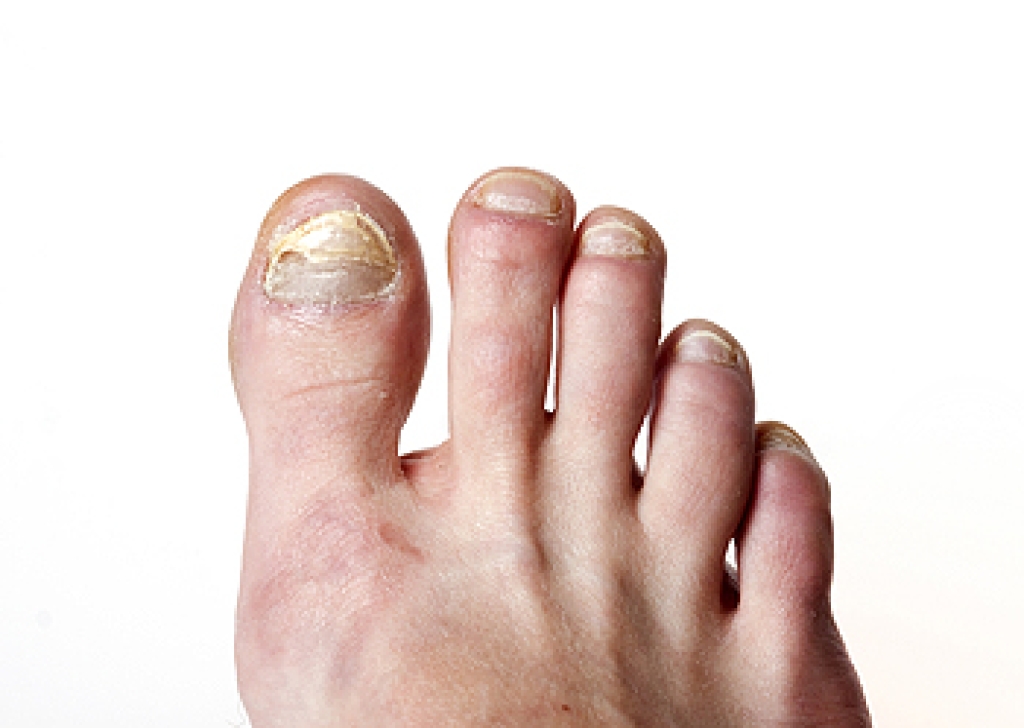
Toenail fungus, known as onychomycosis, affects the toenails. It develops when fungi enter through cracks in the nail or skin. Infection can cause nails to become thick, brittle, discolored, or misshapen. Affected nails may appear yellow, white, or brown and sometimes develop an odor. As the infection progresses, pain or tenderness may develop, especially when shoes place pressure on the toe. Thickened nails can become difficult to cut and maintain.
Several factors can increase the risk of developing toenail fungus. Warm, damp environments create conditions where fungi thrive. Sweaty feet and wearing closed shoes can increase moisture around the nails. Walking barefoot in shared showers, gyms, or locker rooms can increase exposure. Previous toenail injuries may provide an opening for infection. Poor circulation and certain chronic health conditions can increase vulnerability. Keeping feet clean and dry can help lower the risk.
A podiatrist can diagnose toenail fungus by examining the affected nail and skin while reviewing your symptoms and history. In some cases, a small nail clipping or scraping is sent for laboratory testing to confirm the infection and identify the fungus. Treatment depends on the severity and type of infection. Options may include professional nail trimming or thinning, prescription antifungal medication, or laser therapy. Because toenails grow slowly, recovery requires patience and consistent treatment.
Early evaluation can help prevent toenail fungus from becoming more severe or difficult to manage. If you notice changes in nail color, thickness, or shape, a podiatrist can determine whether fungus is responsible or whether another condition is causing the changes. Podiatric care can provide an accurate diagnosis, appropriate treatment, and ongoing monitoring as healthy nail growth occurs. If you have symptoms of toenail fungus, it is suggested that you consult a podiatrist for evaluation and treatment.
If left untreated, toenail fungus may spread to other toenails, skin, or even fingernails. If you suspect you have toenail fungus it is important to seek treatment right away. For more information about treatment, contact Abeer M. Foteh, DPM of Greater Houston Foot Centers. Our doctor can provide the care you need to keep you pain-free and on your feet.
Symptoms
Treatment
If self-care strategies and over-the-counter medications does not help your fungus, your podiatrist may give you a prescription drug instead. Even if you find relief from your toenail fungus symptoms, you may experience a repeat infection in the future.
Prevention
In order to prevent getting toenail fungus in the future, you should always make sure to wash your feet with soap and water. After washing, it is important to dry your feet thoroughly especially in between the toes. When trimming your toenails, be sure to trim straight across instead of in a rounded shape. It is crucial not to cover up discolored nails with nail polish because that will prevent your nail from being able to “breathe”.
In some cases, surgical procedure may be needed to remove the toenail fungus. Consult with your podiatrist about the best treatment options for your case of toenail fungus.
If you have any questions please contact our office located in Baytown, TX . We offer the newest diagnostic and treatment technologies for all your foot and ankle needs.

A bunion is a bony bump that forms at the base of the big toe as the joint gradually shifts out of its normal position. As the big toe begins to lean toward the smaller toes, the joint may become enlarged and painful. Bunions usually develop slowly and can become more noticeable over time. Several factors may contribute to their development, including inherited foot structure, certain inflammatory conditions, and prolonged stress on the joint. Common symptoms include pain, swelling, and redness around the base of the big toe. Some people also experience stiffness or difficulty wearing shoes comfortably. Because bunions tend to worsen gradually, a professional evaluation is important to determine the severity of the deformity and recommend the most appropriate treatment.
As a bunion progresses, it can affect the way the foot functions when walking and standing. The change in toe alignment may place extra pressure on other parts of the foot, increasing discomfort during everyday activities. In some cases, additional foot problems, such as calluses or hammertoes, may develop because of the altered position of the toes. Persistent pain may also change normal walking patterns and reduce overall mobility. A thorough podiatry examination helps evaluate joint alignment, foot mechanics, and the extent of the deformity. Early diagnosis allows treatment to begin before the condition causes greater pain or limits daily movement.
A podiatrist specializes in diagnosing and treating bunions while evaluating the overall health and function of the foot. Professional care focuses on relieving pain, improving foot function, and slowing the progression of the deformity. Treatment is tailored to each patient's condition and activity level while supporting long-term mobility. Regular podiatry visits also allow changes in the bunion to be monitored and treatment to be adjusted when necessary. If bunion pain is affecting your comfort or making it difficult to walk, it is suggested that you consult a podiatrist for an evaluation and appropriate treatment options.
If you are suffering from bunion pain, contact Abeer M. Foteh, DPM of Greater Houston Foot Centers. Our doctor can provide the care you need to keep you pain-free and on your feet.
What Is a Bunion?
Bunions are painful bony bumps that usually develop on the inside of the foot at the joint of the big toe. As the deformity increases over time, it may become painful to walk and wear shoes. Women are more likely to exacerbate existing bunions since they often wear tight, narrow shoes that shift their toes together. Bunion pain can be relieved by wearing wider shoes with enough room for the toes.
Causes
Symptoms
In order to diagnose your bunion, your podiatrist may ask about your medical history, symptoms, and general health. Your doctor might also order an x-ray to take a closer look at your feet. Nonsurgical treatment options include orthotics, padding, icing, changes in footwear, and medication. If nonsurgical treatments don’t alleviate your bunion pain, surgery may be necessary.
If you have any questions, please feel free to contact our office located in Baytown, TX . We offer the newest diagnostic and treatment technologies for all your foot care needs.


