



Have your child's feet been examined lately? Healthy feet are happy feet. If your child is complaining of foot pain, it may be a sign of underlying problems.
Have your child's feet been examined lately? Healthy feet are happy feet. If your child is complaining of foot pain, it may be a sign of underlying problems.
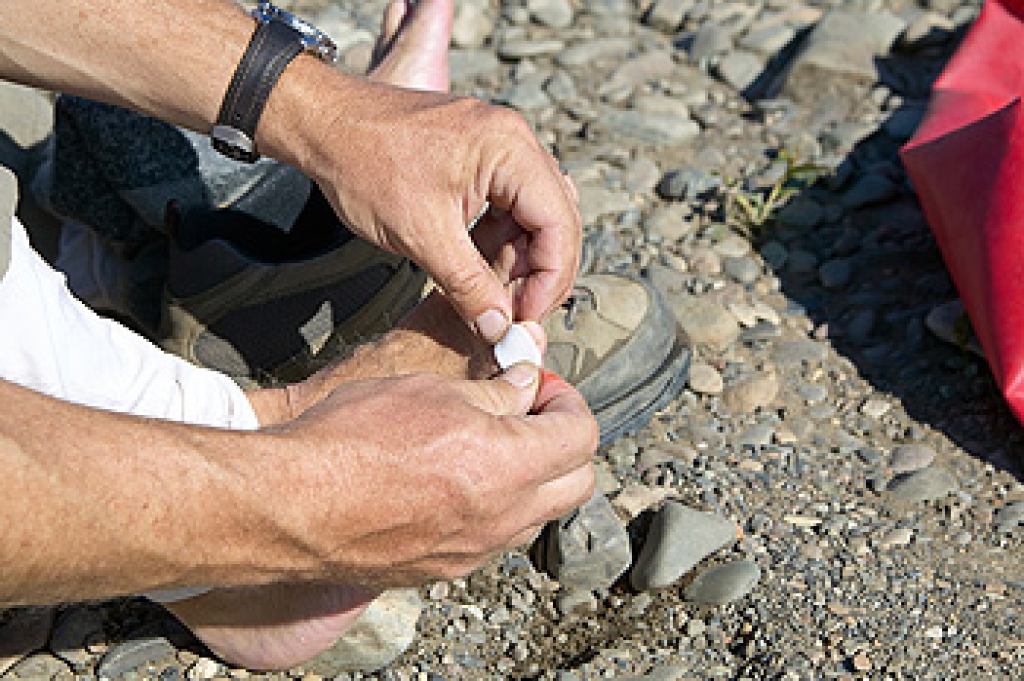
Foot blisters are a common issue for hikers and can quickly turn an enjoyable outing into a painful experience. A blister is a fluid-filled pocket that forms between layers of skin due to repeated friction, heat, and pressure. When hiking, the forefoot and heel are especially vulnerable because they hold most of the body weight and experience constant motion within the shoe. Skin hydration level plays a critical role in blister formation, as both overly dry and overly moist skin can increase friction and reduce the skin’s ability to resist shear forces.
Symptoms of foot blisters include redness, tenderness, and the development of a raised fluid filled area. In early stages, hikers may notice hot spots, which are areas of irritation that signal an impending blister. When the forefoot and heel are exposed to repeated stress, these hot spots can progress into painful blisters that make walking difficult. Hydrated zones of the foot, where moisture levels are balanced, are better able to withstand friction. However, excessive sweating can soften the skin, making it more prone to breakdown, while dry skin can crack and increase susceptibility to injury.
Risk factors for foot blisters include ill-fitting footwear, long hiking distances, and inadequate moisture control. Socks that do not wick moisture effectively can trap sweat and create a damp environment. Uneven terrain and downhill walking increase pressure on the forefoot, while uphill climbs place more strain on the heel. Poorly conditioned skin that is not accustomed to long hikes is also more likely to develop blisters. Understanding the relationship between hydration and friction is essential for prevention.
Preventing foot blisters involves maintaining proper skin hydration, wearing well fitting shoes, and using moisture wicking socks. Applying protective padding to high-risk areas like the heel and forefoot can reduce friction. Gradually increasing hiking intensity allows the skin to adapt and become more resilient. If you have frequent foot blisters from hiking, it is suggested that you consult a podiatrist for effective management and prevention tips.
Blisters are prone to making everyday activities extremely uncomfortable. If your feet are hurting, contact Abeer M. Foteh, DPM of Greater Houston Foot Centers. Our doctor can provide the care you need to keep you pain-free and on your feet.
Foot Blisters
Foot blisters develop as a result of constantly wearing tight or ill-fitting footwear. This happens due to the constant rubbing from the shoe, which can often lead to pain.
What Are Foot Blisters?
A foot blister is a small fluid-filled pocket that forms on the upper-most layer of the skin. Blisters are filled with clear fluid and can lead to blood drainage or pus if the area becomes infected.
How Do Blisters Form?
Blisters on the feet are often the result of constant friction of skin and material, usually by shoe rubbing. Walking in sandals, boots, or shoes that don’t fit properly for long periods of time can result in a blister. Having consistent foot moisture and humidity can easily lead to blister formation.
Prevention & Treatment
It is important to properly care for the affected area in order to prevent infection and ease the pain. Do not lance the blister and use a Band-Aid to provide pain relief. Also, be sure to keep your feet dry and wear proper fitting shoes. If you see blood or pus in a blister, seek assistance from a podiatrist.
If you have any questions, please feel free to contact our office located in Baytown, TX . We offer the newest diagnostic and treatment technologies for all your foot care needs.

Extra body weight places greater pressure on the feet, making everyday activities more difficult for many older men and women. The feet support the body's weight with every step, so increased loading can affect joints, muscles, ligaments, and other soft tissues. Research shows that higher body weight is linked to a greater chance of foot pain in older adults. It is also associated with problems like hammer toes and claw toes in some patients. Increased pressure beneath the feet can reduce comfort while walking and affect balance, mobility, and overall quality of life. These changes can make it harder to stay active and maintain independence.
A podiatrist evaluates foot structure, walking patterns, and pressure distribution to identify areas experiencing excessive stress. The examination also looks for changes in toe alignment, joint movement, and skin condition that could affect comfort. Treatment includes custom orthotics, footwear recommendations, and care for painful foot conditions that develop because of increased pressure. A podiatrist can also recommend strategies that improve foot function and reduce unnecessary strain while walking. Regular evaluations help monitor changes in foot health and identify problems before they become more difficult to manage. Improving foot support and movement can also make daily activities more comfortable and help maintain mobility.
Foot pain should never be accepted as a normal part of aging or excess body weight. Persistent discomfort can discourage walking and other forms of activity, creating a cycle that further affects health and mobility. Early podiatry care can improve comfort, reduce pressure on sensitive areas, and help patients remain active with greater confidence. Research found that increasing body weight raises the likelihood of foot pain in both older men and women, highlighting the importance of early evaluation and treatment. If you have symptoms of obesity-related foot pain, it is suggested that you schedule an appointment with a podiatrist for diagnosis and treatment.
The more you weigh, the harder your feet must work to support your body. If you’re an obese individual and are concerned about your feet, contact Abeer M. Foteh, DPM from Greater Houston Foot Centers. Our doctor can provide the care you need to keep you pain-free and on your feet.
Obesity and Your Feet
People who are overweight are putting more pressure on their ankles, knees, and hips as well as their feet. This unfortunately can lead to variety of different issues.
Problems & Complications Stemming from Obesity
If you have any questions please contact our office located in Baytown, TX . We offer the newest diagnostic and treatment technologies for all your foot and ankle needs.

Ankle sprains happen when the strong ligaments that support the ankle stretch too far or tear after the foot twists in an awkward direction. Ligaments are bands of tissue that connect bones and help keep joints stable. A sprain can occur while running, stepping on an uneven surface, or missing a step. The injury can affect the ligaments on the outside of the ankle or the higher ligaments between the lower leg bones. The severity ranges from mild stretching to a complete tear. Prompt evaluation is important because walking on an injured ankle too soon can make the damage worse and increase the risk of repeated sprains. Wearing shoes that provide good support also helps reduce unnecessary stress on the ankle.
Symptoms include pain, swelling, and trouble putting weight on the foot. Some people notice limited movement or a feeling that the ankle is unstable while walking. Others hear or feel a popping sensation when the injury happens. More severe sprains can make standing and daily activities very difficult. A careful examination helps determine the type and severity of the injury. Imaging tests, like X-rays or other scans, are sometimes needed to rule out a fracture or identify more serious damage. Early diagnosis also helps reduce the chance of long-term ankle problems.
Podiatrists evaluate ankle stability, joint movement, and walking patterns to understand how the injury affects foot function. Treatment focuses on protecting the damaged ligaments, restoring healthy movement, and helping the ankle regain stability. A podiatrist also monitors healing, identifies signs of ongoing instability, and recommends ways to reduce stress on the ankle during recovery. Early care helps lower the risk of repeated sprains, chronic pain, and reduced mobility. Proper treatment also supports a safer return to work, sports, and other daily activities. If you have symptoms of an ankle sprain, it is suggested that you schedule an appointment with a podiatrist for diagnosis and treatment.
Ankle sprains are common but need immediate attention. If you need your feet checked, contact Abeer M. Foteh, DPM from Greater Houston Foot Centers. Our doctor can provide the care you need to keep you pain-free and on your feet.
How Does an Ankle Sprain Occur?
Ankle sprains take place when the ligaments in your ankle are torn or stretched beyond their limits. There are multiple ways that the ankle can become injured, including twisting or rolling over onto your ankle, putting undue stress on it, or causing trauma to the ankle itself.
What Are the Symptoms?
Preventing a Sprain
Treatment of a Sprain
Treatment of a sprain depends on the severity. Many times, people are told to rest and remain off their feet completely, while others are given an air cast. If the sprain is very severe, surgery may be required.
If you have suffered an ankle sprain previously, you may want to consider additional support such as a brace and regular exercises to strengthen the ankle.
If you have any questions please feel free to contact our office located in Baytown, TX . We offer the newest diagnostic tools and technology to treat your foot and ankle needs.

Achilles tendon bursitis develops when a bursa becomes irritated near the back of the heel where the tendon attaches. The bursa, a small sac of fluid, helps reduce friction between the tendon and nearby tissues. When it becomes inflamed, pain and swelling can make walking and wearing shoes uncomfortable. Posterior Achilles tendon bursitis affects young women more frequently than other groups. One important risk factor is wearing high-heeled shoes. Another is a Haglund deformity, which is a bony bump on the back of the heel bone. Repeated rubbing between this bony area and the back of a shoe can irritate the bursa and lead to ongoing inflammation. Symptoms include redness, warmth, and tenderness near the back of the heel.
A podiatrist diagnoses Achilles tendon bursitis by discussing symptoms and examining the back of the heel. The location of the pain and the presence of the tender lump help confirm the diagnosis. Imaging tests also help identify a Haglund deformity or rule out other causes of heel pain. Conditions affecting the Achilles tendon can cause similar discomfort, but they usually do not produce the soft lump that develops with bursitis. An accurate diagnosis is important because treatment depends on identifying the exact source of the pain.
Treatment focuses on reducing irritation surrounding the inflamed bursa and preventing further pressure against the heel. A podiatrist recommends shoes that fit properly and have lower heels. Custom orthotics can improve foot stability and reduce stress on the back of the heel while walking. Protective padding also helps reduce rubbing between the shoe and the irritated area. When symptoms continue despite conservative care, surgery to remove the bony prominence or inflamed tissue can be recommended. If you have Achilles tendon pain, it is suggested that you schedule an appointment with a podiatrist for diagnosis and appropriate treatment.
Achilles tendon injuries need immediate attention to avoid future complications. If you have any concerns, contact Abeer M. Foteh, DPM of Greater Houston Foot Centers. Our doctor can provide the care you need to keep you pain-free and on your feet.
What Is the Achilles Tendon?
The Achilles tendon is a tendon that connects the lower leg muscles and calf to the heel of the foot. It is the strongest tendon in the human body and is essential for making movement possible. Because this tendon is such an integral part of the body, any injuries to it can create immense difficulties and should immediately be presented to a doctor.
What Are the Symptoms of an Achilles Tendon Injury?
There are various types of injuries that can affect the Achilles tendon. The two most common injuries are Achilles tendinitis and ruptures of the tendon.
Achilles Tendinitis Symptoms
Rupture Symptoms
Treatment and Prevention
Achilles tendon injuries are diagnosed by a thorough physical evaluation, which can include an MRI. Treatment involves rest, physical therapy, and in some cases, surgery. However, various preventative measures can be taken to avoid these injuries, such as:
If you have any questions please feel free to contact our office located in Baytown, TX . We offer the newest diagnostic tools and technology to treat your foot and ankle needs.


