
We are OPEN and follow CDC guidlines to protect our patients.
Dr. Foteh accepts most insurance plans (281) 837-8371

Baytown, TX (281) 837-8371

Follow Us
Like Us

Blog

Foods That May Help to Reduce the Risk of Gout

Gout is a form of inflammatory arthritis caused by a buildup of uric acid crystals in the joints. It commonly affects the big toe, leading to sudden and intense pain, redness, swelling, and warmth in the joint. The discomfort may develop quickly and become severe enough to limit walking. Foods high in purines, such as red meat, shellfish, and sugary beverages, can increase uric acid levels and trigger flare ups. Choosing fresh vegetables, fruits, whole grains, and adequate water intake may help to reduce risk. Maintaining a healthy weight also supports prevention. A podiatrist can diagnose gout, manage pain, and recommend treatment to protect joint health. If you have developed gout, it is suggested that you are under the care of a podiatrist who can help you to manage this painful condition.

Gout is a foot condition that requires certain treatment and care. If you are seeking treatment, contact Abeer M. Foteh, DPM from Greater Houston Foot Centers. Our doctor will treat your foot and ankle needs.

What Is Gout?

Gout is a type of arthritis caused by a buildup of uric acid in the bloodstream. It often develops in the foot, especially the big toe area, although it can manifest in other parts of the body as well. Gout can make walking and standing very painful and is especially common in diabetics and the obese.

People typically get gout because of a poor diet. Genetic predisposition is also a factor. The children of parents who have had gout frequently have a chance of developing it themselves.

Gout can easily be identified by redness and inflammation of the big toe and the surrounding areas of the foot. Other symptoms include extreme fatigue, joint pain, and running high fevers. Sometimes corticosteroid drugs can be prescribed to treat gout, but the best way to combat this disease is to get more exercise and eat a better diet.

If you have any questions, please feel free to contact our office located in Baytown, TX . We offer the newest diagnostic and treatment technologies for all your foot care needs.
Read more about Everything You Need to Know About Gout

Intermittent Claudication and Peripheral Artery Disease

Intermittent claudication is a common symptom of peripheral artery disease, or PAD, and reflects reduced blood flow to the legs during activity. Intermittent claudication is a tight, aching, or squeezing pain in the calf, foot, thigh, or buttock. It typically begins after a certain amount of walking or climbing but eases with rest. As circulation becomes more limited, pain may start sooner, walking distance shortens, and legs can feel weak or cramp. Advanced PAD can cause pain at rest, cold or numb toes, slow healing sores, skin color changes, or shiny skin, which signals higher risk to the feet. Because several conditions can mimic intermittent claudication, a podiatrist plays an important role in evaluation, vascular screening, foot exams, and coordination of appropriate care. For help dealing with symptoms of peripheral artery disease, it is suggested that you make an appointment with a podiatrist for an exam, diagnosis, and treatment.

Peripheral artery disease can pose a serious risk to your health. It can increase the risk of stroke and heart attack. If you have symptoms of peripheral artery disease, consult with Abeer M. Foteh, DPM from Greater Houston Foot Centers. Our doctor will assess your condition and provide you with quality foot and ankle treatment.

Peripheral artery disease (PAD) is when arteries are constricted due to plaque (fatty deposits) build-up. This results in less blood flow to the legs and other extremities. The main cause of PAD is atherosclerosis, in which plaque builds up in the arteries.

Symptoms

Symptoms of PAD include:

  • Claudication (leg pain from walking)
  • Numbness in legs
  • Decrease in growth of leg hair and toenails
  • Paleness of the skin
  • Erectile dysfunction
  • Sores and wounds on legs and feet that won’t heal
  • Coldness in one leg

It is important to note that a majority of individuals never show any symptoms of PAD.

Diagnosis

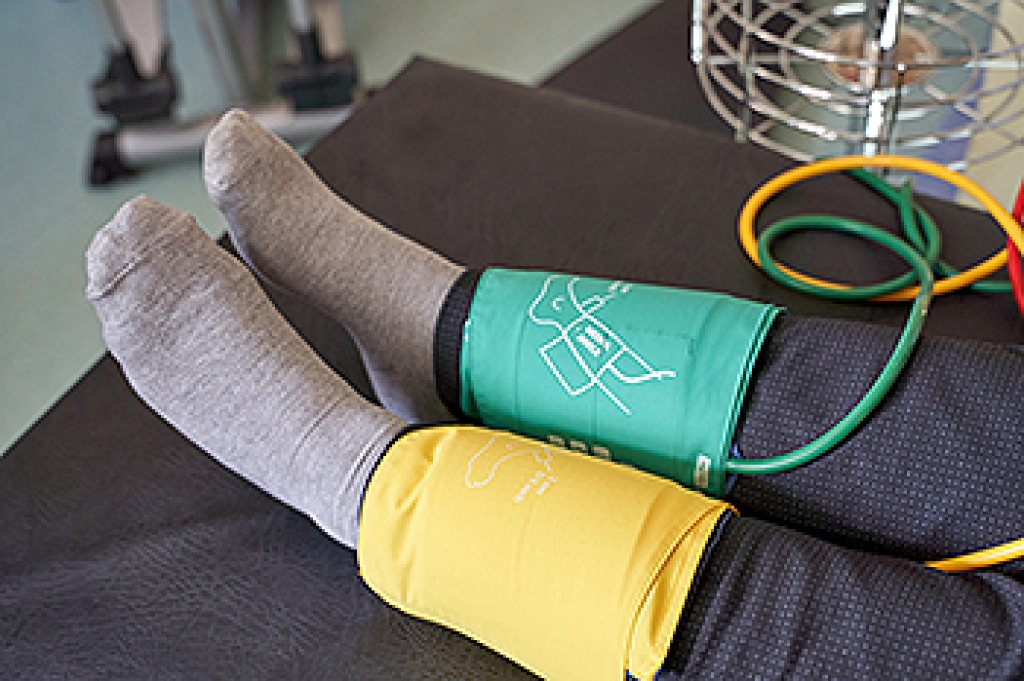
While PAD occurs in the legs and arteries, Podiatrists can diagnose PAD. Podiatrists utilize a test called an ankle-brachial index (ABI). An ABI test compares blood pressure in your arm to you ankle to see if any abnormality occurs. Ultrasound and imaging devices may also be used.

Treatment

Fortunately, lifestyle changes such as maintaining a healthy diet, exercising, managing cholesterol and blood sugar levels, and quitting smoking, can all treat PAD. Medications that prevent clots from occurring can be prescribed. Finally, in some cases, surgery may be recommended.

If you have any questions, please feel free to contact our office located in Baytown, TX . We offer the newest diagnostic and treatment technologies for all your foot care needs.
Read more about Peripheral Artery Disease

Pain Related to Wearing High Heels

High-heeled shoes can alter foot posture and place stress on the feet and ankles. Elevating the heel shifts body weight forward, increasing pressure under the ball of the foot and compressing the toes. This change in alignment can strain joints, irritate nerves, and overload soft tissues that help stabilize the arch. Patients may notice burning pain beneath the forefoot, aching in the heel, stiffness through the mid-foot, or soreness around the ankle. A narrow toe box can crowd the toes, contributing to bunions, hammertoes, and possible ingrown toenails. A podiatrist evaluates gait, joint motion, and areas of pressure to identify the source of pain. Treatment options include padding, orthotic devices to redistribute load, and guidance on shoe choices. If you feel pain after wearing high-heeled shoes, it is suggested that you make an appointment with a podiatrist for an exam, diagnosis, and treatment options.

High heels have a history of causing foot and ankle problems. If you have any concerns about your feet or ankles, contact Abeer M. Foteh, DPM from Greater Houston Foot Centers. Our doctor can provide the care you need to keep you pain-free and on your feet.

Effects of High Heels on the Feet

High heels are popular shoes among women because of their many styles and societal appeal.  Despite this, high heels can still cause many health problems if worn too frequently.

Which Parts of My Body Will Be Affected by High Heels?

  • Ankle Joints
  • Achilles Tendon – May shorten and stiffen with prolonged wear
  • Balls of the Feet
  • Knees – Heels cause the knees to bend constantly, creating stress on them
  • Back – They decrease the spine’s ability to absorb shock, which may lead to back pain.  The vertebrae of the lower back may compress.

What Kinds of Foot Problems Can Develop from Wearing High Heels?

  • Corns
  • Calluses
  • Hammertoe
  • Bunions
  • Morton’s Neuroma
  • Plantar Fasciitis

How Can I Still Wear High Heels and Maintain Foot Health?

If you want to wear high heeled shoes, make sure that you are not wearing them every day, as this will help prevent long term physical problems.  Try wearing thicker heels as opposed to stilettos to distribute weight more evenly across the feet.  Always make sure you are wearing the proper shoes for the right occasion, such as sneakers for exercising.  If you walk to work, try carrying your heels with you and changing into them once you arrive at work.  Adding inserts to your heels can help cushion your feet and absorb shock. Full foot inserts or metatarsal pads are available. 

If you have any questions, please feel free to contact our office located in Baytown, TX . We offer the newest diagnostic and treatment technologies for all your foot care needs.
Read more about Why High Heels Are Not Ideal for Healthy Feet

Toenail Fungus and Podiatric Relief

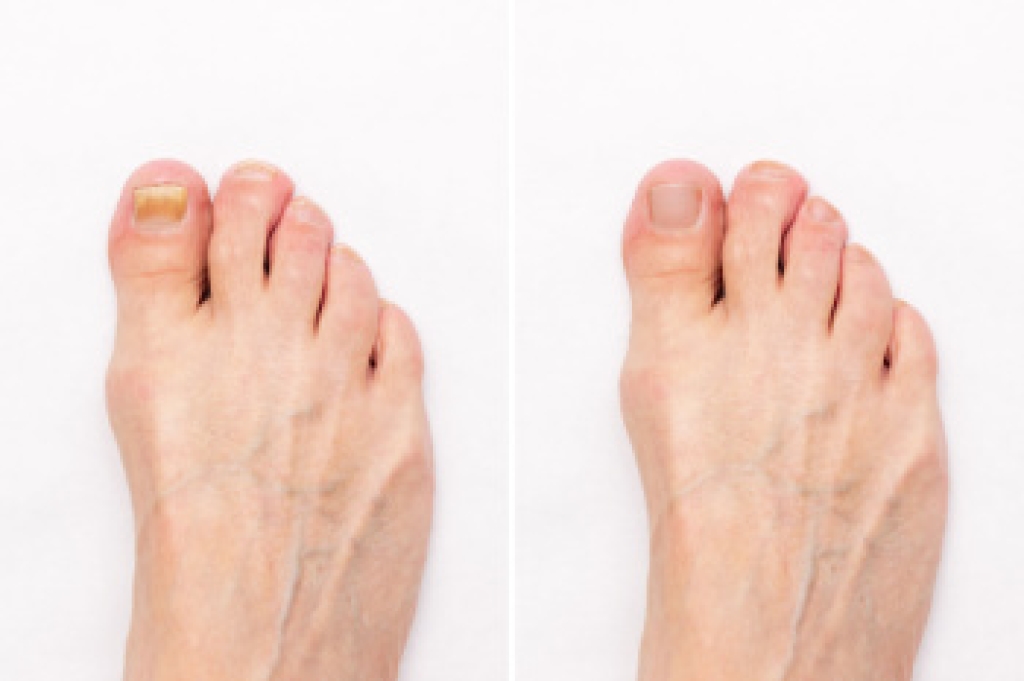
Toenail fungus, medically known as onychomycosis, is a common infection that develops when fungi enter the nail through small cracks in the nail or surrounding skin. Warm moist environments such as locker rooms and tight shoes create ideal conditions for fungal growth. The infection may begin with discoloration, thickening, or a brittle texture and can gradually worsen, if untreated. Diagnosis is confirmed through clinical evaluation and laboratory testing of nail samples to identify the specific organism. Risk factors include diabetes, poor circulation, weakened immunity, aging, and frequent exposure to damp areas. A podiatrist can provide an accurate diagnosis and offer effective treatment options to restore nail health. If you have signs of toenail fungus, it is suggested that you consult a podiatrist who can effectively treat this condition, which may include prescribed medication.

If left untreated, toenail fungus may spread to other toenails, skin, or even fingernails. If you suspect you have toenail fungus it is important to seek treatment right away. For more information about treatment, contact Abeer M. Foteh, DPM of Greater Houston Foot Centers. Our doctor can provide the care you need to keep you pain-free and on your feet.

Symptoms

  • Warped or oddly shaped nails
  • Yellowish nails
  • Loose/separated nail
  • Buildup of bits and pieces of nail fragments under the nail
  • Brittle, broken, thickened nail

Treatment

If self-care strategies and over-the-counter medications does not help your fungus, your podiatrist may give you a prescription drug instead. Even if you find relief from your toenail fungus symptoms, you may experience a repeat infection in the future.

Prevention

In order to prevent getting toenail fungus in the future, you should always make sure to wash your feet with soap and water. After washing, it is important to dry your feet thoroughly especially in between the toes. When trimming your toenails, be sure to trim straight across instead of in a rounded shape. It is crucial not to cover up discolored nails with nail polish because that will prevent your nail from being able to “breathe”.

In some cases, surgical procedure may be needed to remove the toenail fungus. Consult with your podiatrist about the best treatment options for your case of toenail fungus.  

If you have any questions please contact our office located in Baytown, TX . We offer the newest diagnostic and treatment technologies for all your foot and ankle needs.

Read more about Toenail Fungus

Living With Changes in Foot Sensation

Peripheral neuropathy affects the nerves that carry messages between the feet and the brain. When these nerves are not working properly, people may experience numbness, tingling, burning, or a pins and needles feeling in the feet or toes. In some cases, sensation becomes reduced, making it harder to feel pain, heat, or pressure. This can increase the risk of unnoticed injuries, skin breakdown, or balance issues. Although causes can vary, peripheral neuropathy is often linked to diabetes, circulation problems, certain medications, or nerve compression. Symptoms may develop gradually and worsen over time, if not addressed. Daily foot checks and wearing supportive footwear are important parts of care. Early evaluation helps reduce complications and protect long-term foot health. If changes in sensation, balance, or foot comfort are noticed, it is suggested that a podiatrist provide guidance on evaluation and treatment options.

Neuropathy

Neuropathy can be a potentially serious condition, especially if it is left undiagnosed. If you have any concerns that you may be experiencing nerve loss in your feet, consult with Abeer M. Foteh, DPM from Greater Houston Foot Centers. Our doctor will assess your condition and provide you with quality foot and ankle treatment for neuropathy.

What Is Neuropathy?

Neuropathy is a condition that leads to damage to the nerves in the body. Peripheral neuropathy, or neuropathy that affects your peripheral nervous system, usually occurs in the feet. Neuropathy can be triggered by a number of different causes. Such causes include diabetes, infections, cancers, disorders, and toxic substances.

Symptoms of Neuropathy Include:

  • Numbness
  • Sensation loss
  • Prickling and tingling sensations
  • Throbbing, freezing, burning pains
  • Muscle weakness

Those with diabetes are at serious risk due to being unable to feel an ulcer on their feet. Diabetics usually also suffer from poor blood circulation. This can lead to the wound not healing, infections occurring, and the limb may have to be amputated.

Treatment

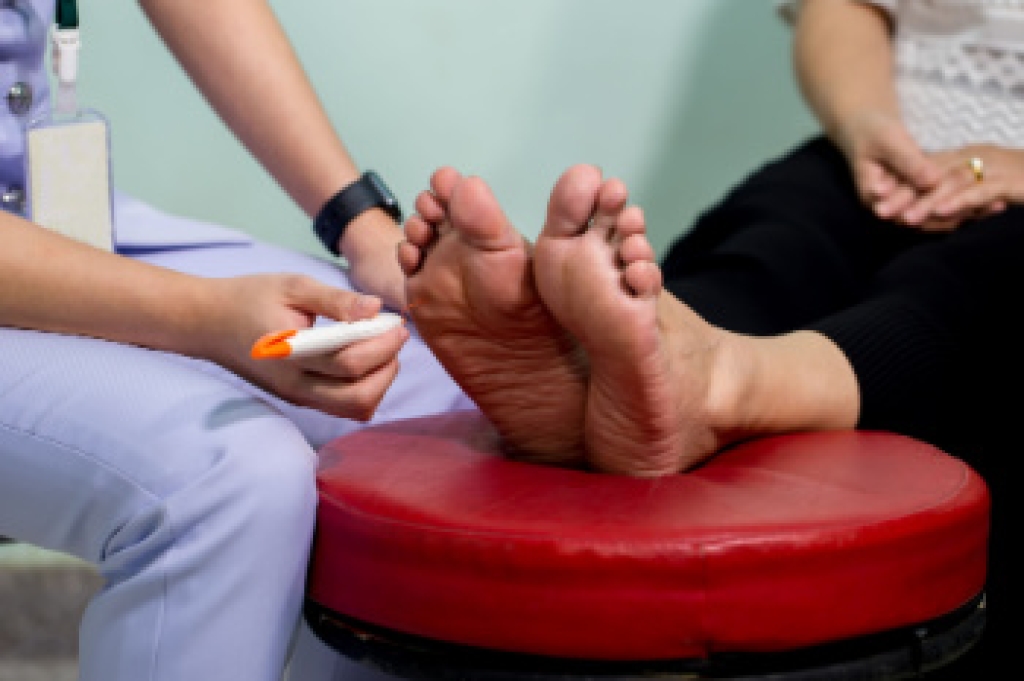
To treat neuropathy in the foot, podiatrists will first diagnose the cause of the neuropathy. Figuring out the underlying cause of the neuropathy will allow the podiatrist to prescribe the best treatment, whether it be caused by diabetes, toxic substance exposure, infection, etc. If the nerve has not died, then it’s possible that sensation may be able to return to the foot.

Pain medication may be issued for pain. Electrical nerve stimulation can be used to stimulate nerves. If the neuropathy is caused from pressure on the nerves, then surgery may be necessary.

If you have any questions, please feel free to contact our office located in Baytown, TX . We offer the newest diagnostic and treatment technologies for all your foot care needs.

Read more about Neuropathy
Connect with us