
We are OPEN and follow CDC guidlines to protect our patients.
Dr. Foteh accepts most insurance plans (281) 837-8371

Baytown, TX (281) 837-8371

Follow Us
Like Us

Blog

Better Foot Stability Can Lower the Risk of Falls

Feeling dizzy, lightheaded, or as if the room were spinning around you can signal a balance problem. Balance can become less reliable with age, but dizziness is not a normal change that should be ignored. Inner-ear disorders, medical conditions, and certain medications can affect steadiness. Foot pain, numbness, and muscle weakness can also make it harder to sense the ground or respond to a misstep. These problems can increase the risk of falling and reduce a person’s confidence in everyday activities.

A podiatrist can examine the feet and ankles for problems that affect stability. The evaluation includes checking joint movement, muscle strength, and sensation. The podiatrist can also study how the patient stands and moves when walking. Painful arthritis, fallen arches, or an earlier ankle injury can change the way weight passes through the feet. Nerve damage can reduce awareness of pressure and position. Thick toenails, corns, or calluses can also make each step painful and less secure. Identifying these concerns helps the podiatrist recommend care that addresses the patient’s specific fall risks.

Treatment can focus on improving comfort, support, and control. A podiatrist can provide custom orthotics to improve foot position or redistribute pressure. Wearing shoes with low heels, nonslip soles, and a secure fit can help patients maintain contact with the ground. A brace may improve stability when ankle weakness is present. The podiatrist can also treat painful skin and nail problems that interfere with a steady step. Patients should report recent falls and changes in sensation, even when no injury is visible. Regular foot examinations can identify new concerns before they further limit safe movement. If you have fallen and injured your foot or ankle, it is suggested that you schedule an appointment with a podiatrist for a diagnosis and appropriate treatment.

Preventing falls among the elderly is very important. If you are older and have fallen or fear that you are prone to falling, consult with Abeer M. Foteh, DPM from Greater Houston Foot Centers. Our doctor will assess your condition and provide you with quality advice and care.

Every 11 seconds, an elderly American is being treated in an emergency room for a fall related injury. Falls are the leading cause of head and hip injuries for those 65 and older. Due to decreases in strength, balance, senses, and lack of awareness, elderly persons are very susceptible to falling. Thankfully, there are a number of things older persons can do to prevent falls.

How to Prevent Falls

Some effective methods that older persons can do to prevent falls include:

  • Enrolling in strength and balance exercise program to increase balance and strength
  • Periodically having your sight and hearing checked
  • Discuss any medications you have with a doctor to see if it increases the risk of falling
  • Clearing the house of falling hazards and installing devices like grab bars and railings
  • Utilizing a walker or cane
  • Wearing shoes that provide good support and cushioning
  • Talking to family members about falling and increasing awareness

Falling can be a traumatic and embarrassing experience for elderly persons; this can make them less willing to leave the house, and less willing to talk to someone about their fears of falling. Doing such things, however, will increase the likelihood of tripping or losing one’s balance. Knowing the causes of falling and how to prevent them is the best way to mitigate the risk of serious injury.  

If you have any questions, please feel free to contact our office located in Baytown, TX . We offer the newest diagnostic and treatment technologies for all your foot care needs.

Read more about Falls Prevention

Common Causes for Pain on Top of the Foot

Pain on top of the foot can make walking and exercising uncomfortable. This area contains bones, joints, and ligaments that can become irritated or injured. Causes include stress fractures, sprains, and tendinitis. Symptoms vary by problem, but pain, swelling, and stiffness may occur. Pain that increases with activity or continues during rest deserves attention, especially when it affects movement and daily activities.

A stress fracture is a small crack in a bone caused by repeated pressure. Athletes and others who suddenly increase activity have greater risk. A sprain occurs when a ligament is stretched or torn, often after twisting the foot. Swelling, bruising, and tenderness are common. Arthritis involves inflammation or degeneration within a joint. Risk factors include age and previous injuries. Tendinitis develops when a tendon becomes irritated from repeated use. Active people and those with sudden training changes may be more vulnerable.


A podiatrist starts by discussing symptoms, activities, and injury history. The foot is examined for tenderness, stiffness, and movement changes. X-rays may help identify fractures or arthritis. Other imaging may be recommended. Treatment depends on the diagnosis. A stress fracture may require activity restriction and a walking boot. A sprain may need rest and support, and arthritis treatment may include wearing supportive footwear. Tendinitis may require reduced activity while the tendon heals.


Getting the correct diagnosis is important because different causes of pain on top of the foot require different care. Activities that increase pain can delay healing or worsen an injury. A podiatrist can monitor recovery and help you return to normal activity. Seek prompt evaluation when pain is severe, swelling develops, or you cannot walk comfortably. If you have pain on top of your foot, it is suggested that you consult a podiatrist for an accurate diagnosis and appropriate treatment.

Foot Pain

Foot pain can be extremely painful and debilitating. If you have a foot pain, consult with Abeer M. Foteh, DPM from Greater Houston Foot Centers. Our doctor will assess your condition and provide you with quality foot and ankle treatment.

Causes

Foot pain is a very broad condition that could be caused by one or more ailments. The most common include:

  • Bunions
  • Hammertoes
  • Plantar Fasciitis
  • Bone Spurs
  • Corns
  • Tarsal Tunnel Syndrome
  • Ingrown Toenails
  • Arthritis (such as Gout, Rheumatoid, and Osteoarthritis)
  • Flat Feet
  • Injury (from stress fractures, broken toe, foot, ankle, Achilles tendon ruptures, and sprains)
  • And more

Diagnosis

To figure out the cause of foot pain, podiatrists utilize several different methods. This can range from simple visual inspections and sensation tests to X-rays and MRI scans. Prior medical history, family medical history, and any recent physical traumatic events will all be taken into consideration for a proper diagnosis.

Treatment

Treatment depends upon the cause of the foot pain. Whether it is resting, staying off the foot, or having surgery; podiatrists have a number of treatment options available for foot pain.

If you have any questions, please feel free to contact our office located in Baytown, TX . We offer the newest diagnostic and treatment technologies for all your foot care needs.

Read more about Foot Pain

Signs of Cuboid Syndrome

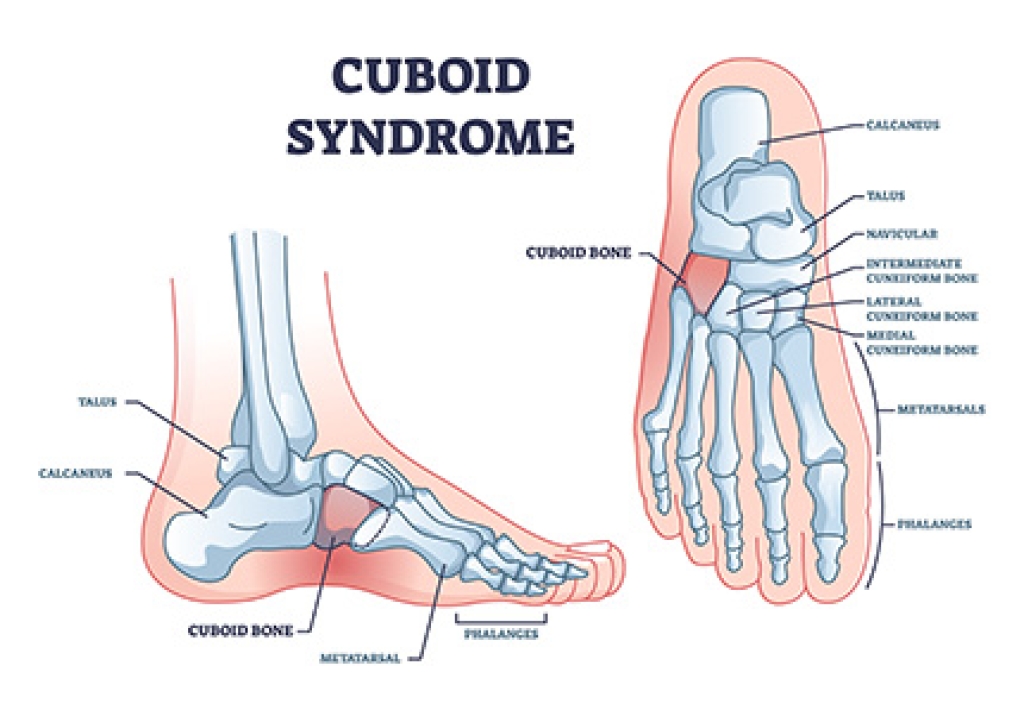
Cuboid syndrome develops when the cuboid bone and nearby joint in the foot move out of their normal position or become irritated. The cuboid is a small bone located on the outer side of the foot near the ankle. Pain from cuboid syndrome is usually felt along the outside of the foot. The area can also become tender or swollen. Some patients notice weakness in the foot or difficulty moving it normally. Pain can become worse when standing or placing weight on the affected foot.

An ankle injury can lead to cuboid syndrome, especially when the ankle rolls inward. Repetitive stress can also irritate the area. Activities that place repeated pressure on the feet, like running or dancing, can increase the risk. Foot structure can also play a role. People with flat feet can be more likely to develop cuboid syndrome because changes in foot mechanics can place extra stress on the cuboid area. Wearing shoes that are too tight can also contribute to foot problems. Because symptoms can resemble other injuries, determining the exact source of outer-foot pain is important.

A podiatrist can examine the foot to determine whether the cuboid area is causing the pain. The evaluation can include checking tenderness, joint movement, and how the foot functions when weight is placed on it. A podiatrist can also assess foot structure and walking patterns that could contribute to repeated stress. Treatment can focus on restoring proper movement and reducing pressure on the painful area. Supportive devices can also help address foot mechanics that contribute to symptoms.  An accurate diagnosis is important because fractures and other foot conditions can cause similar pain. If you have symptoms of cuboid syndrome, it is suggested that you schedule an appointment with a podiatrist for a diagnosis and appropriate treatment.

Cuboid syndrome, also known as cuboid subluxation, occurs when the joints and ligaments near the cuboid bone in the foot become torn. If you have cuboid syndrome, consult with Abeer M. Foteh, DPM from Greater Houston Foot Centers. Our doctor will assess your condition and provide you with quality foot and ankle treatment.

Cuboid syndrome is a common cause of lateral foot pain, which is pain on the outside of the foot. The condition may happen suddenly due to an ankle sprain, or it may develop slowly overtime from repetitive tension through the bone and surrounding structures.

Causes

The most common causes of cuboid syndrome include:

  • Injury – The most common cause of this ailment is an ankle sprain.
  • Repetitive Strain – Tension placed through the peroneus longus muscle from repetitive activities such as jumping and running may cause excessive traction on the bone causing it to sublux.
  • Altered Foot Biomechanics – Most people suffering from cuboid subluxation have flat feet.

Symptoms

A common symptom of cuboid syndrome is pain along the outside of the foot which can be felt in the ankle and toes. This pain may create walking difficulties and may cause those with the condition to walk with a limp.

Diagnosis

Diagnosis of cuboid syndrome is often difficult, and it is often misdiagnosed. X-rays, MRIs and CT scans often fail to properly show the cuboid subluxation. Although there isn’t a specific test used to diagnose cuboid syndrome, your podiatrist will usually check if pain is felt while pressing firmly on the cuboid bone of your foot.

Treatment

Just as the range of causes varies widely, so do treatments. Some more common treatments are ice therapy, rest, exercise, taping, and orthotics.

If you have any questions, please feel free to contact our office located in Baytown, TX . We offer the newest diagnostic and treatment technologies for all your foot care needs.

Read more about All About Cuboid Syndrome

Foot Pain and Nerve-Related Conditions

Foot pain can affect your daily routine and make simple activities uncomfortable. Foot pain describes discomfort anywhere in the foot, including the heel, arch, or toes. Symptoms may include aching, burning, or sharp pain. Nerve pain often feels different and may cause burning, tingling, or electric-like sensations. These symptoms can develop gradually or appear suddenly. Common causes include overuse, injuries, and structural problems. Identifying the source is important because treatment depends on the condition causing your discomfort.

Nerve pain in the forefoot may involve Morton’s neuroma or interdigital neuralgia. Morton’s neuroma is irritation and thickening around a nerve between the toes, most often between the third and fourth toes. It can cause burning pain, numbness, or a feeling that something is inside your shoe. Interdigital neuralgia is nerve-related pain between the toes that can produce similar burning or shooting sensations. Risk factors for these conditions include narrow shoes, high heels, and activities that place pressure on the forefoot.


A podiatrist will begin by discussing the symptoms and reviewing your medical history. A careful foot examination can help identify tenderness, nerve sensitivity, or changes in foot structure. The podiatrist may gently press between the toes to reproduce symptoms. Imaging tests may be recommended when another problem needs to be ruled out. Treatment often begins with wearing supportive footwear and activity changes. Custom orthotics may help redistribute pressure. Padding can also reduce irritation around sensitive nerves. When appropriate, medication or an injection may provide additional relief. 


Getting an accurate diagnosis can help you choose the right path toward healing. Ignoring persistent nerve pain may allow symptoms to interfere with walking, exercise, or work. A podiatrist can monitor the healing process and adjust treatment as needed. Early attention may also prevent ongoing irritation from becoming a larger problem. If burning, tingling, or forefoot pain continues, it is suggested that you consult a podiatrist for an accurate diagnosis and appropriate treatment.

Foot Pain

Foot pain can be extremely painful and debilitating. If you have a foot pain, consult with Abeer M. Foteh, DPM from Greater Houston Foot Centers. Our doctor will assess your condition and provide you with quality foot and ankle treatment.

Causes

Foot pain is a very broad condition that could be caused by one or more ailments. The most common include:

  • Bunions
  • Hammertoes
  • Plantar Fasciitis
  • Bone Spurs
  • Corns
  • Tarsal Tunnel Syndrome
  • Ingrown Toenails
  • Arthritis (such as Gout, Rheumatoid, and Osteoarthritis)
  • Flat Feet
  • Injury (from stress fractures, broken toe, foot, ankle, Achilles tendon ruptures, and sprains)
  • And more

Diagnosis

To figure out the cause of foot pain, podiatrists utilize several different methods. This can range from simple visual inspections and sensation tests to X-rays and MRI scans. Prior medical history, family medical history, and any recent physical traumatic events will all be taken into consideration for a proper diagnosis.

Treatment

Treatment depends upon the cause of the foot pain. Whether it is resting, staying off the foot, or having surgery; podiatrists have a number of treatment options available for foot pain.

If you have any questions, please feel free to contact our office located in Baytown, TX . We offer the newest diagnostic and treatment technologies for all your foot care needs.

Read more about Foot Pain
Connect with us