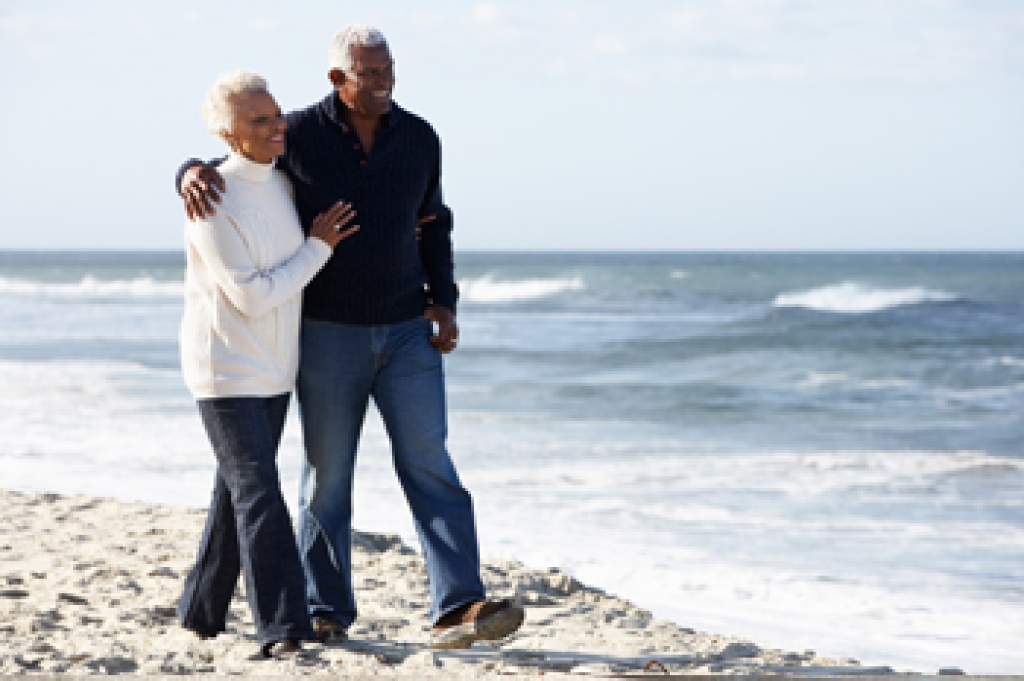
As people age, natural changes in muscle strength, joint flexibility, and balance can affect how they walk. Walking, also called gait, should be smooth, even, and steady. After about age 70, walking speed often slows as steps become shorter, often the result of weaker calf muscles that help move the body forward. Older adults may also keep both feet on the ground a little longer with each step to feel more stable. While some changes in gait are expected, others are not. Uneven steps, shuffling, dragging the toes, leaning forward, or trouble starting to walk may signal problems. These may involve joints, nerves, or certain areas of the brain that control movement and coordination. Arthritis, poor sensation in the feet, and balance disorders can all affect gait. A podiatrist can carefully assess how you stand and walk to help to identify abnormal patterns. Solutions include supportive footwear, custom orthotics, or other treatment to improve stability and comfort. If you experience problems walking normally, it is suggested that you make an appointment with a podiatrist for an exam, diagnosis, and treatment.
If you have any concerns about your feet, contact Abeer M. Foteh, DPM from Greater Houston Foot Centers. Our doctor can provide the care you need to keep you pain-free and on your feet.
Biomechanics in Podiatry
Podiatric biomechanics is a particular sector of specialty podiatry with licensed practitioners who are trained to diagnose and treat conditions affecting the foot, ankle and lower leg. Biomechanics deals with the forces that act against the body, causing an interference with the biological structures. It focuses on the movement of the ankle, the foot and the forces that interact with them.
A History of Biomechanics
- Biomechanics dates back to the BC era in Egypt where evidence of professional foot care has been recorded.
- In 1974, biomechanics gained a higher profile from the studies of Merton Root, who claimed that by changing or controlling the forces between the ankle and the foot, corrections or conditions could be implemented to gain strength and coordination in the area.
Modern technological improvements are based on past theories and therapeutic processes that provide a better understanding of podiatric concepts for biomechanics. Computers can provide accurate information about the forces and patterns of the feet and lower legs.
Understanding biomechanics of the feet can help improve and eliminate pain, stopping further stress to the foot.
If you have any questions please feel free to contact our office located in Baytown, TX . We offer the newest diagnostic and treatment technologies for all your foot and ankle needs.