



Your feet are covered most of the day. If you're diabetic, periodic screening is important for good health. Numbness is often a sign of diabetic foot and can mask a sore or wound.
Your feet are covered most of the day. If you're diabetic, periodic screening is important for good health. Numbness is often a sign of diabetic foot and can mask a sore or wound.

Minimally invasive foot surgery is an advanced podiatric technique that corrects structural foot problems through very small incisions. Unlike traditional open procedures, this approach uses specialized instruments and imaging guidance to treat conditions with precision while limiting disruption to surrounding tissues. It is commonly used in modern podiatry for patients seeking effective correction with a more efficient recovery process. This method reflects a shift toward patient-centered care that prioritizes both outcomes and comfort.
Patients who undergo minimally invasive foot surgery often report less post operative pain, reduced swelling, and minimal scarring. Because the incisions are small, the body experiences less trauma, which can support quicker healing and earlier return to daily activities. Many individuals are able to walk sooner compared to traditional surgery, depending on the condition being treated. These benefits make it an appealing option for those with busy lifestyles or those who want to avoid extended downtime.
Common foot conditions treated with this technique include bunions, hammertoes, and certain cases of plantar fasciitis. Symptoms that may indicate the need for surgical correction include persistent pain, joint stiffness, and difficulty wearing shoes. Risk factors such as wearing improper footwear, repetitive stress, and biomechanical imbalance can contribute to these issues. A podiatrist evaluates each case carefully to determine whether a minimally invasive approach is appropriate.
Choosing the right treatment begins with a proper diagnosis and a clear understanding of available options. Minimally invasive foot surgery offers a modern solution that blends precision with patient comfort, making it an important advancement in foot care. If you have consistent foot pain from a specific condition, it is suggested that you consult a podiatrist to discuss minimally invasive options and receive appropriate care tailored to your needs.
Foot surgery is sometimes necessary to treat a foot ailment. To learn more, contact Abeer M. Foteh, DPM of Greater Houston Foot Centers. Our doctor will assist you with all of your foot and ankle needs.
When Is Surgery Necessary?
Foot and ankle surgery is generally reserved for cases in which less invasive, conservative procedures have failed to alleviate the problem. Some of the cases in which surgery may be necessary include:
What Types of Surgery Are There?
The type of surgery you receive will depend on the nature of the problem you have. Some of the possible surgeries include:
Benefits of Surgery
Although surgery is usually a last resort, it can provide more complete pain relief compared to non-surgical methods and may allow you to finally resume full activity.
Surgical techniques have also become increasingly sophisticated. Techniques like endoscopic surgery allow for smaller incisions and faster recovery times.
If you have any questions, please feel free to contact our office located in Baytown, TX . We offer the newest diagnostic and treatment technologies for all your foot care needs.
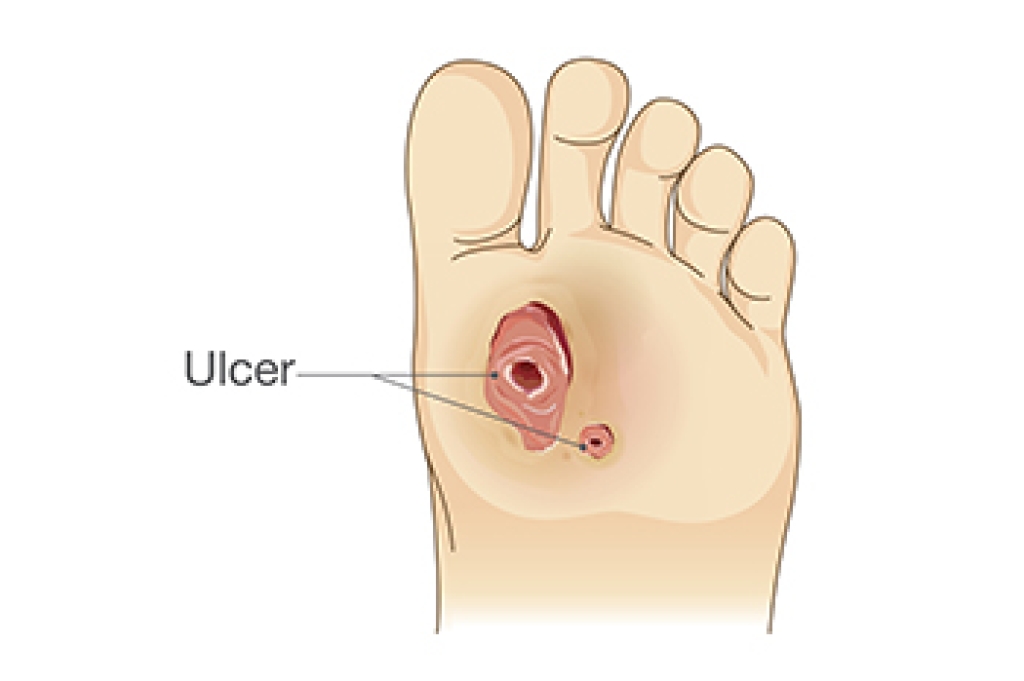
A foot wound is a break in the skin that may occur from pressure, friction, or minor injury. In people with diabetes, even a small cut can become serious because the body does not heal as efficiently. High blood sugar can damage blood vessels and reduce circulation, which limits oxygen and nutrient delivery to the tissue. This creates an environment where wounds take longer to close and are more prone to infection.
Common symptoms include redness, swelling, and delayed healing. Some patients notice bruising around the wound or a darkened area that signals tissue damage. There may also be weakness in the surrounding skin, making it more likely to break down again. A key concern is the inability to feel pain due to neuropathy, which can allow wounds to worsen without awareness. Risk factors include long-standing diabetes, poor glucose control, and improper footwear. Tight shoes can cause repeated pressure and friction that lead to skin breakdown. Neuropathy reduces sensation, while a compromised immune response makes it harder to fight infection. In some cases, bandages that are too tight or not changed properly may trap moisture and delay healing.
Proper wound care is essential for recovery. Daily self checks help detect early changes before they become severe. Keeping the wound clean, protected, and properly dressed supports healing. Offloading pressure and wearing well-fitted shoes reduce further injury. Managing blood sugar is critical for tissue repair. If you have a foot wound, it is suggested that you consult a podiatrist for an accurate diagnosis and appropriate treatment.
Wound care is an important part in dealing with diabetes. If you have diabetes and a foot wound or would like more information about wound care for diabetics, consult with Abeer M. Foteh, DPM from Greater Houston Foot Centers. Our doctor will assess your condition and provide you with quality foot and ankle treatment.
What Is Wound Care?
Wound care is the practice of taking proper care of a wound. This can range from the smallest to the largest of wounds. While everyone can benefit from proper wound care, it is much more important for diabetics. Diabetics often suffer from poor blood circulation which causes wounds to heal much slower than they would in a non-diabetic.
What Is the Importance of Wound Care?
While it may not seem apparent with small ulcers on the foot, for diabetics, any size ulcer can become infected. Diabetics often also suffer from neuropathy, or nerve loss. This means they might not even feel when they have an ulcer on their foot. If the wound becomes severely infected, amputation may be necessary. Therefore, it is of the upmost importance to properly care for any and all foot wounds.
How to Care for Wounds
The best way to care for foot wounds is to prevent them. For diabetics, this means daily inspections of the feet for any signs of abnormalities or ulcers. It is also recommended to see a podiatrist several times a year for a foot inspection. If you do have an ulcer, run the wound under water to clear dirt from the wound; then apply antibiotic ointment to the wound and cover with a bandage. Bandages should be changed daily and keeping pressure off the wound is smart. It is advised to see a podiatrist, who can keep an eye on it.
If you have any questions please contact our office located in Baytown, TX . We offer the newest diagnostic and treatment technologies for all your foot and ankle needs.
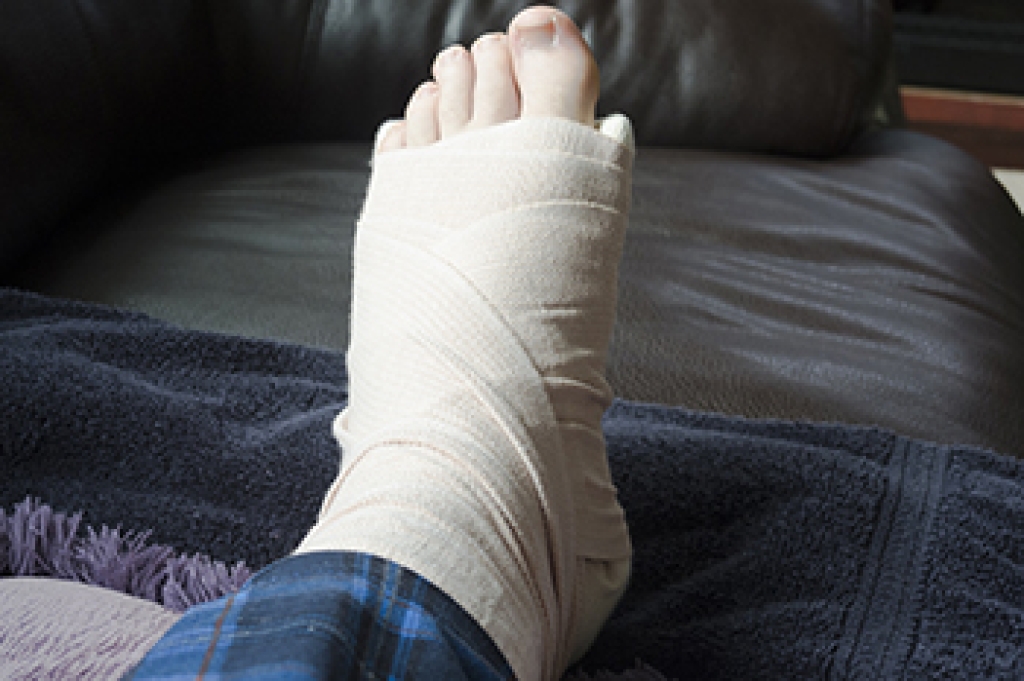
Broken bones in the feet can interfere with standing, walking, and other daily activities. The foot contains 26 bones that work together to provide support and movement. A fracture is the medical term for a broken bone. Fractures range from small cracks to complete breaks. Some occur after a sudden injury, while others develop from repeated stress placed on the foot. A broken foot bone can result from a fall, a sports-related injury, or a heavy object landing on the foot. Certain fractures occur when repeated impact places more pressure on a bone than it can handle. These are called stress fractures. Because foot bones absorb your body weight with every step, even a small fracture can cause significant pain and limit mobility.
Symptoms of a broken foot bone vary depending on the location and severity of the injury. Pain is usually the most noticeable sign. Swelling, bruising, and tenderness are also common. Some people have difficulty putting weight on the affected foot. Others notice pain while walking or standing. In some cases, the foot appears misshapen or develops noticeable swelling around the injured area. Ignoring these symptoms can lead to additional problems. Continued pressure on a fractured bone can affect healing and increase discomfort. Prompt evaluation helps determine the extent of the injury and the most appropriate treatment plan.
A podiatrist plays an important role in diagnosing and treating broken foot bones. Diagnosis includes a physical examination and imaging studies, such as X-rays. Treatment depends on the type of fracture and its location. Care includes immobilization with a cast, boot, or other protective device. More severe fractures sometimes require surgery to restore proper bone alignment. A podiatrist also monitors healing and helps reduce the risk of long-term complications. Early treatment can improve comfort and support a safer return to normal activities. If you have fractured your foot, it is suggested that you schedule an appointment with a podiatrist for an accurate diagnosis and appropriate treatment.
A broken foot requires immediate medical attention and treatment. If you need your feet checked, contact Abeer M. Foteh, DPM from Greater Houston Foot Centers. Our doctor can provide the care you need to keep you pain-free and on your feet.
Broken Foot Causes, Symptoms, and Treatment
A broken foot is caused by one of the bones in the foot typically breaking when bended, crushed, or stretched beyond its natural capabilities. Usually the location of the fracture indicates how the break occurred, whether it was through an object, fall, or any other type of injury.
Common Symptoms of Broken Feet:
Those that suspect they have a broken foot shoot seek urgent medical attention where a medical professional could diagnose the severity.
Treatment for broken bones varies depending on the cause, severity and location. Some will require the use of splints, casts or crutches while others could even involve surgery to repair the broken bones. Personal care includes the use of ice and keeping the foot stabilized and elevated.
If you have any questions, please feel free to contact our office located in Baytown, TX . We offer the newest diagnostic and treatment technologies for all your foot care needs.
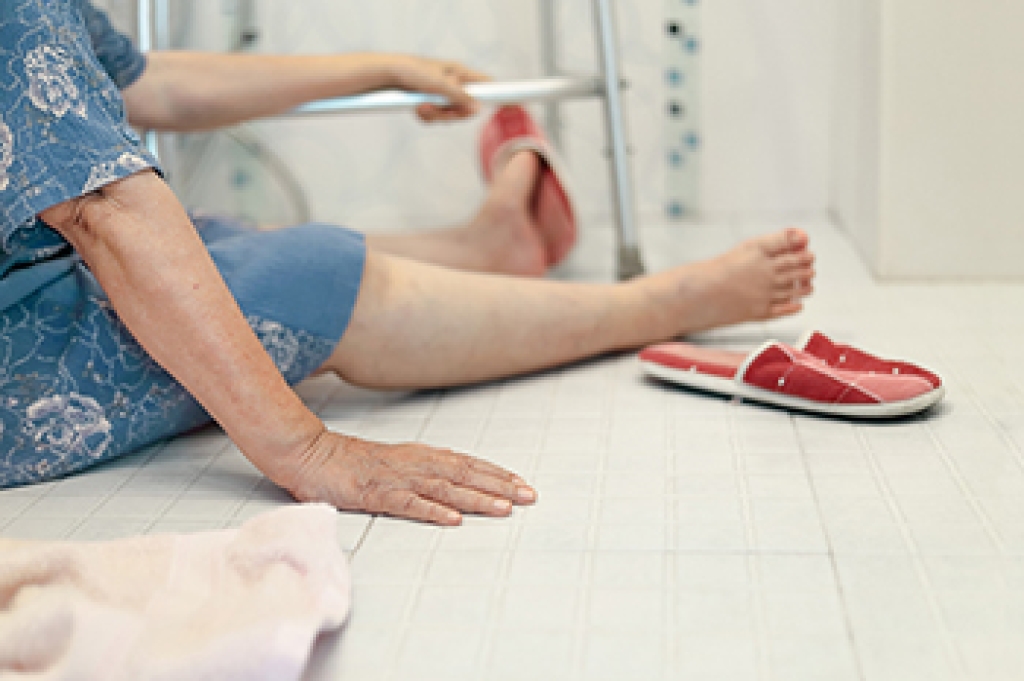
Diabetes can affect much more than blood sugar levels. It can also increase the risk of falls, especially in older adults. One reason is that diabetes can damage nerves in the feet, a condition called neuropathy. Neuropathy can reduce feeling in the feet and make it harder to notice the ground beneath you. This loss of sensation can affect balance and stability. Diabetes can also cause foot pain, muscle weakness, and changes in the way a person walks. These problems make it more difficult to move safely while walking and increase the chance of losing balance. Research has shown that people with diabetes experience falls more frequently than those without the condition.
Falls can lead to serious injuries. Broken bones, foot injuries, and ankle injuries can affect mobility and independence. People with diabetes also face challenges related to circulation and nerve function, which can make recovery from injuries more difficult. Some diabetics use special off-loading footwear to reduce pressure on certain areas of the feet. Off-loading means taking pressure away from an injured area to protect it. While these devices can be important for foot health, they can sometimes affect balance and walking patterns. Certain diabetes medications can also contribute to dizziness or unsteadiness, increasing fall risk.
A podiatrist plays an important role in helping reduce fall risk in diabetics. This type of doctor can evaluate foot structure, balance, and walking patterns. They can identify areas of weakness and detect nerve-related foot problems. They can also assess footwear and recommend options that improve stability. Regular foot examinations can help detect changes before they become serious problems. Early diagnosis and professional care can help patients remain active and move with greater confidence. If you have diabetes, have fallen, or feel you may be at risk of falling, it is suggested that you schedule an appointment with a podiatrist for effective relief and management solutions.
Preventing falls among the elderly is very important. If you are older and have fallen or fear that you are prone to falling, consult with Abeer M. Foteh, DPM from Greater Houston Foot Centers. Our doctor will assess your condition and provide you with quality advice and care.
Every 11 seconds, an elderly American is being treated in an emergency room for a fall related injury. Falls are the leading cause of head and hip injuries for those 65 and older. Due to decreases in strength, balance, senses, and lack of awareness, elderly persons are very susceptible to falling. Thankfully, there are a number of things older persons can do to prevent falls.
How to Prevent Falls
Some effective methods that older persons can do to prevent falls include:
Falling can be a traumatic and embarrassing experience for elderly persons; this can make them less willing to leave the house, and less willing to talk to someone about their fears of falling. Doing such things, however, will increase the likelihood of tripping or losing one’s balance. Knowing the causes of falling and how to prevent them is the best way to mitigate the risk of serious injury.
If you have any questions, please feel free to contact our office located in Baytown, TX . We offer the newest diagnostic and treatment technologies for all your foot care needs.


