We are OPEN and follow CDC guidlines to protect our patients.
Dr. Foteh accepts most insurance plans (281) 837-8371

Baytown, TX (281) 837-8371

Follow Us
Like Us

Blog

Exploring Various Types of Bunions

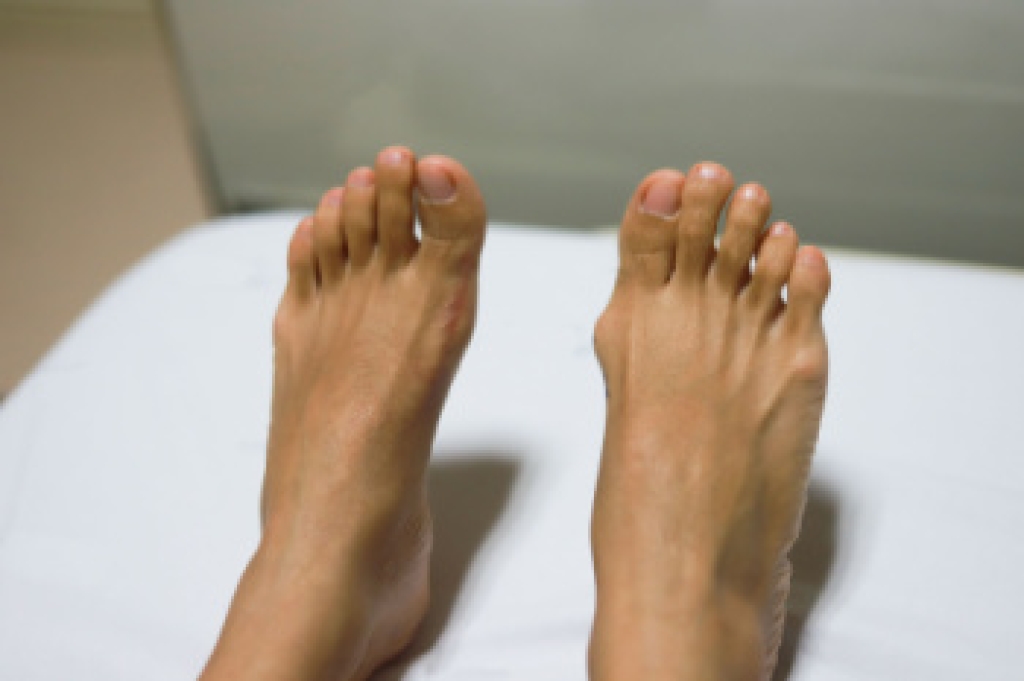
Bunions, or hallux valgus, vary in severity and presentation, each impacting foot health differently. Mild bunions appear as a slight deviation of the big toe, causing minimal discomfort and manageable skin irritation. Moderate bunions involve more noticeable toe misalignment, leading to increased pain and difficulty with footwear. Severe bunions show significant toe deformity, often resulting in chronic pain and restricted movement. Skin irritation is common, with calluses forming due to friction. Hallux limitus, a related condition, restricts the big toe's range of motion and can accompany bunions. Additionally, bunionettes, or tailor's bunions, appear on the little toe's side and present similar issues. Pediatric bunions, though less common, can occur in children and may require early intervention to prevent progression. If you have developed any type of bunion, it is suggested that you consult a podiatrist who can help you to manage this condition.

If you are suffering from bunion pain, contact Abeer M. Foteh, DPM of Greater Houston Foot Centers. Our doctor can provide the care you need to keep you pain-free and on your feet.

What Is a Bunion?

Bunions are painful bony bumps that usually develop on the inside of the foot at the joint of the big toe. As the deformity increases over time, it may become painful to walk and wear shoes. Women are more likely to exacerbate existing bunions since they often wear tight, narrow shoes that shift their toes together. Bunion pain can be relieved by wearing wider shoes with enough room for the toes.

Causes

  • Genetics – some people inherit feet that are more prone to bunion development
  • Inflammatory Conditions - rheumatoid arthritis and polio may cause bunion development

Symptoms

  • Redness and inflammation
  • Pain and tenderness
  • Callus or corns on the bump
  • Restricted motion in the big toe

In order to diagnose your bunion, your podiatrist may ask about your medical history, symptoms, and general health. Your doctor might also order an x-ray to take a closer look at your feet. Nonsurgical treatment options include orthotics, padding, icing, changes in footwear, and medication. If nonsurgical treatments don’t alleviate your bunion pain, surgery may be necessary.

If you have any questions, please feel free to contact our office located in Baytown, TX . We offer the newest diagnostic and treatment technologies for all your foot care needs.

Read more about What Are Bunions?

Wounds That Don't Heal Need to Be Checked

Your feet are covered most of the day. If you're diabetic, periodic screening is important for good health. Numbness is often a sign of diabetic foot and can mask a sore or wound.

Differences Between Corns and Calluses

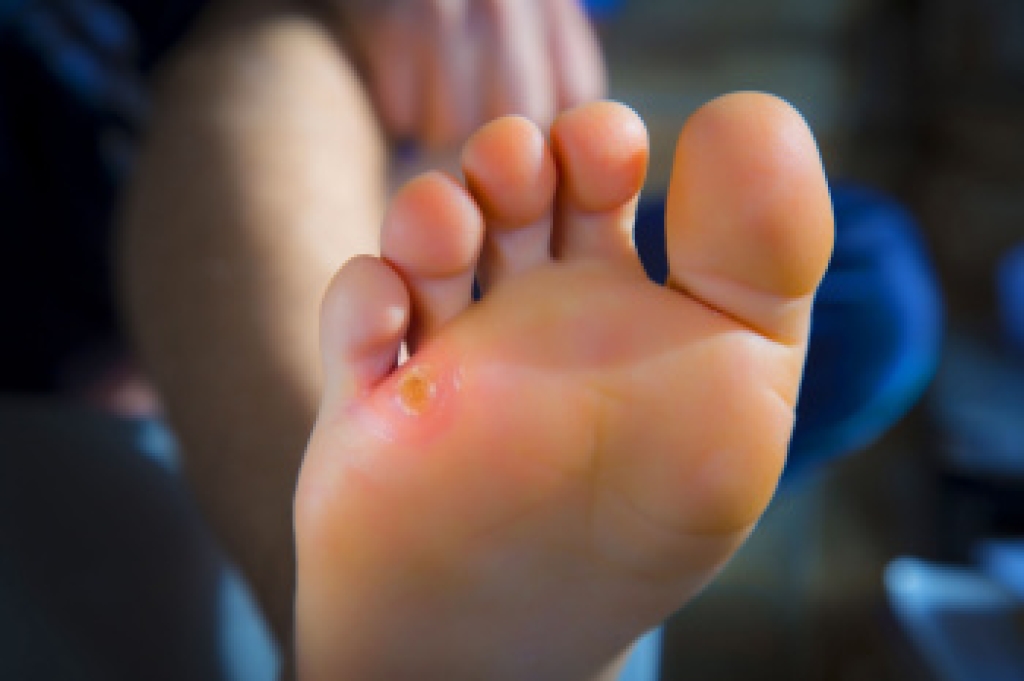
Corns and calluses are both thickened areas of skin that develop due to repeated friction or pressure, but they differ in their location and appearance. Corns typically form on the toes or between the toes, appearing as small, thickened, and often painful areas with a central core. They are usually caused by wearing tight or ill-fitting shoes that create localized pressure on specific points. Symptoms include pain, tenderness, and sometimes redness. Calluses, on the other hand, usually develop on the soles of the feet or other weight-bearing areas. They are larger and less defined than corns. They are also generally less painful. Calluses form as a protective response to repeated friction or pressure, often from walking or standing for long periods. Treatment for both conditions involves reducing pressure and friction. If you have corns or calluses that impede your daily activities, it is suggested you schedule an appointment with a podiatrist to discuss effective relief and management techniques.

If you have any concerns regarding your feet and ankles, contact Abeer M. Foteh, DPM of Greater Houston Foot Centers. Our doctor will treat your foot and ankle needs.

Corns: What Are They? and How Do You Get Rid of Them?
Corns can be described as areas of the skin that have thickened to the point of becoming painful or irritating. They are often layers and layers of the skin that have become dry and rough, and are normally smaller than calluses.

Ways to Prevent Corns
There are many ways to get rid of painful corns such as wearing:

  • Well-fitting socks
  • Comfortable shoes that are not tight around your foot
  • Shoes that offer support

Treating Corns
Treatment of corns involves removing the dead skin that has built up in the specific area of the foot. Consult with Our doctor to determine the best treatment option for your case of corns.

If you have any questions, please feel free to contact our office located in Baytown, TX . We offer the newest diagnostic and treatment technologies for all your foot care needs.
Read more about Corns: What Are They, and How Do You Get Rid of Them

Managing Gout Pain

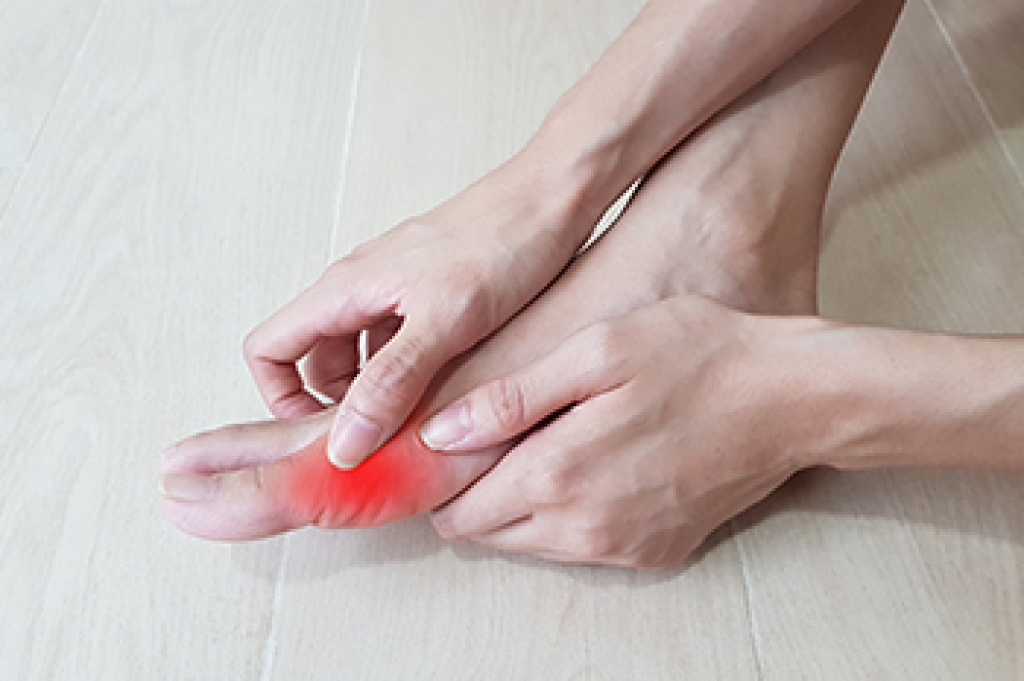
Gout is a form of arthritis that often targets the big toe, causing sudden, intense pain, swelling, and redness in the joint. This happens when uric acid crystals build up in the joints, leading to inflammation. During a gout attack, the affected joint, especially the big toe, can become extremely painful, making even light contact unbearable. Treatment focuses on relieving the pain and inflammation quickly, usually with medications like NSAIDs, colchicine, or steroids. These are most effective when taken as soon as the attack begins. To prevent future flare-ups, a podiatrist may prescribe medication that lowers uric acid levels in the blood, helping to dissolve the crystals and prevent new ones from forming. Restricting intake of certain foods that contribute to uric acid build up is also important. A podiatrist can diagnose gout and offer effective treatments to manage both the immediate pain and long-term prevention. If you are experiencing pain from gout, it is suggested that you schedule an appointment with a podiatrist.

Gout is a painful condition that can be treated. If you are seeking treatment, contact Abeer M. Foteh, DPM from Greater Houston Foot Centers. Our doctor will treat your foot and ankle needs.

What Is Gout?

Gout is a form of arthritis that is characterized by sudden, severe attacks of pain, redness, and tenderness in the joints. The condition usually affects the joint at the base of the big toe. A gout attack can occur at any random time, such as the middle of the night while you are asleep.

Symptoms

  • Intense Joint Pain - Usually around the large joint of your big toe, and it most severe within the first four to twelve hours
  • Lingering Discomfort - Joint discomfort may last from a few days to a few weeks
  • Inflammation and Redness -Affected joints may become swollen, tender, warm and red
  • Limited Range of Motion - May experience a decrease in joint mobility

Risk Factors

  • Genetics - If family members have gout, you’re more likely to have it
  • Medications - Diuretic medications can raise uric acid levels
  • Gender/Age - Gout is more common in men until the age of 60. It is believed that estrogen protects women until that point
  • Diet - Eating red meat and shellfish increases your risk
  • Alcohol - Having more than two alcoholic drinks per day increases your risk
  • Obesity - Obese people are at a higher risk for gout

Prior to visiting your podiatrist to receive treatment for gout, there are a few things you should do beforehand. If you have gout you should write down your symptoms--including when they started and how often you experience them, important medical information you may have, and any questions you may have. Writing down these three things will help your podiatrist in assessing your specific situation so that he or she may provide the best route of treatment for you.

If you have any questions, please feel free to contact our office located in Baytown, TX . We offer the newest diagnostic and treatment technologies for all your foot care needs.
Read more about Gout

Causes and Relief From Blisters While Hiking

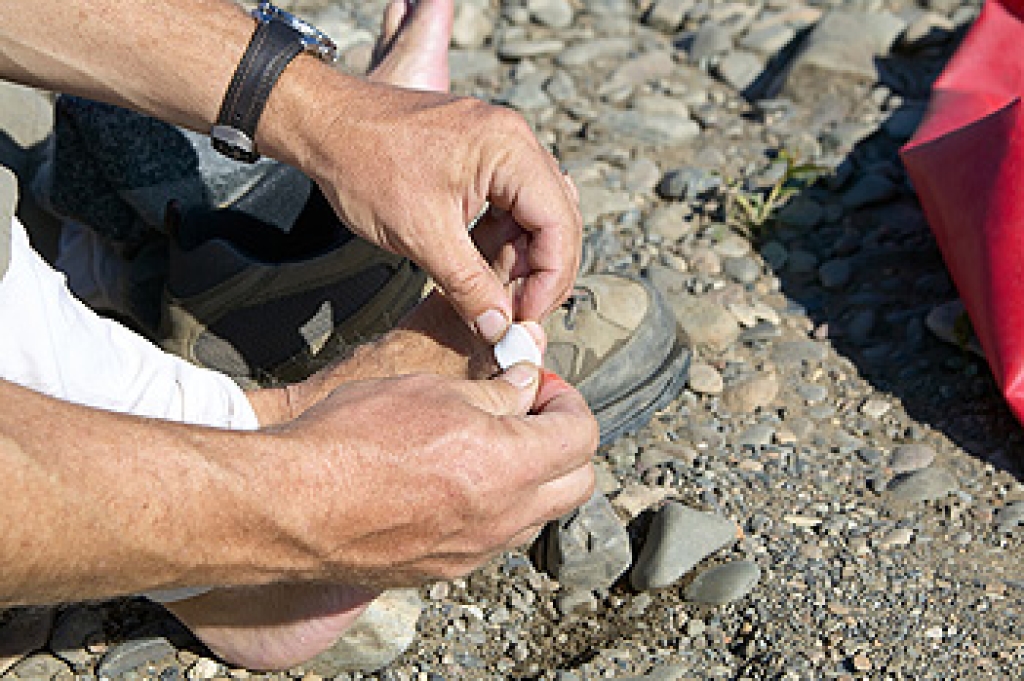
Blisters are a common issue for hikers, typically caused by friction between the skin and footwear, often made worse by moisture. Wearing iIl-fitting shoes, uneven terrain, and prolonged hiking can lead to the formation of painful blisters. To prevent blisters, start by ensuring you wear well-fitting, moisture-wicking socks and shoes that provide proper support. Gradually break in new footwear to avoid excessive friction. Keep your feet dry by changing out wet socks and using foot powder. Pay attention to any signs of discomfort early and address them promptly to prevent blisters from developing. Blisters can be uncomfortable and can interfere with your hiking experience. If you have developed a blister that is not healing or has become infected, it is suggested that you make an appointment with a podiatrist who can safely deal with the troublesome blister.

Blisters are prone to making everyday activities extremely uncomfortable. If your feet are hurting, contact Abeer M. Foteh, DPM of Greater Houston Foot Centers. Our doctor can provide the care you need to keep you pain-free and on your feet.

Foot Blisters

Foot blisters develop as a result of constantly wearing tight or ill-fitting footwear. This happens due to the constant rubbing from the shoe, which can often lead to pain.

What Are Foot Blisters?

A foot blister is a small fluid-filled pocket that forms on the upper-most layer of the skin. Blisters are filled with clear fluid and can lead to blood drainage or pus if the area becomes infected.

How Do Blisters Form?

Blisters on the feet are often the result of constant friction of skin and material, usually by shoe rubbing. Walking in sandals, boots, or shoes that don’t fit properly for long periods of time can result in a blister. Having consistent foot moisture and humidity can easily lead to blister formation.

Prevention & Treatment

It is important to properly care for the affected area in order to prevent infection and ease the pain. Do not lance the blister and use a Band-Aid to provide pain relief. Also, be sure to keep your feet dry and wear proper fitting shoes. If you see blood or pus in a blister, seek assistance from a podiatrist.

If you have any questions, please feel free to contact our office located in Baytown, TX . We offer the newest diagnostic and treatment technologies for all your foot care needs.

Read more about Blisters
Connect with us